
1. Water
Your body is approximately 60% water—so staying hydrated is a big deal!
Drinking water benefits the body in countless ways. It helps regulate body temperature and bowel movements, transports oxygen and nutrients, lubricates joints, supports brain function, and prevents dehydration. It can even aid in weight loss. Swapping sugary drinks for water is a simple and effective way to reduce daily calorie intake. Drinking water before meals can help you feel fuller, curb your appetite, and prevent overeating.
So, how much water should you drink each day? If your goal is weight loss, a simple guideline is to divide your weight (in pounds) by two. The result is the number of ounces of water you should aim to drink daily. Keep in mind, this number may need to be adjusted based on your climate and activity level.
Example:

2. 10,000 Steps a Day
Walking is the underrated hero of exercise—it’s free, enjoyable, and highly effective!
Regular walking improves cardiovascular health, boosts mood, strengthens the spine, supports weight management, and reduces the risk of type 2 diabetes, heart disease, certain cancers, anxiety, depression, and stroke. Aiming for 10,000 steps a day is a great goal. If you have an iPhone, the Health app includes a pedometer to help you track your progress.
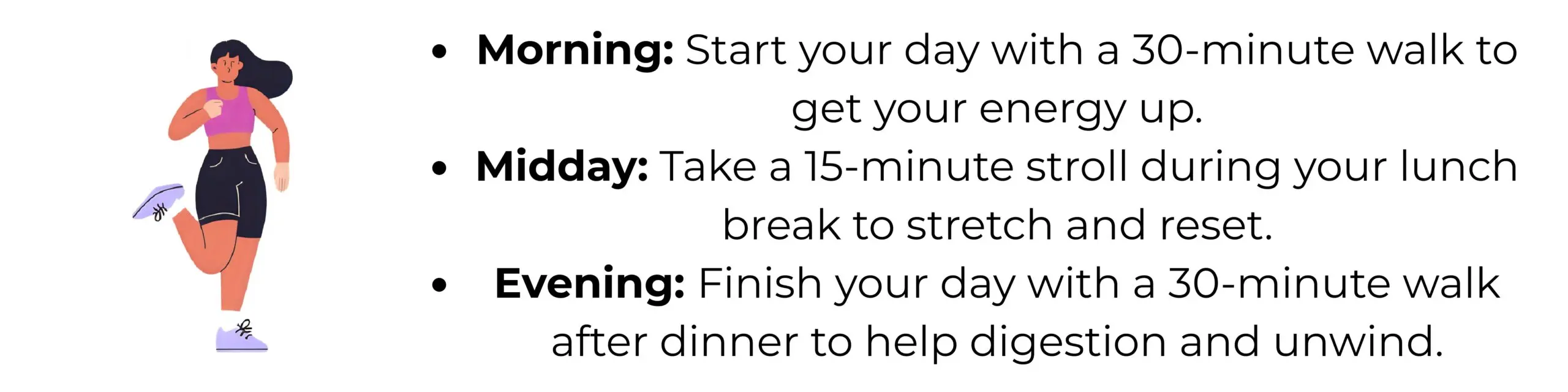
On average, 10,000 steps takes about 85 minutes to complete. Try breaking it up into three manageable walks throughout the day:
3. Sleep
Stop skimping on sleep—it’s essential!
Getting enough rest is crucial for your mental and physical health. Quality sleep improves focus, regulates emotions and hormones, supports the immune system, helps manage blood pressure, enhances physical performance, and aids in recovery and weight management.
Ever notice you crave sugary, high-calorie foods after a bad night’s sleep? That’s your body seeking energy. Sleep and food are your two main energy sources—cutting back on one increases your need for the other.

4. Eat Whole Foods
What are whole foods?
Whole foods are minimally processed and as close to their natural form as possible. They include fruits, vegetables, whole grains, legumes, nuts, seeds, and unprocessed meats like chicken and fish.
Whole foods are nutritionally dense and high in fiber, helping you feel full and satisfied longer. When working toward weight loss, whole foods help you get the most nutrition from your calories. Fiber also promotes a healthy gut microbiome and improves digestion.
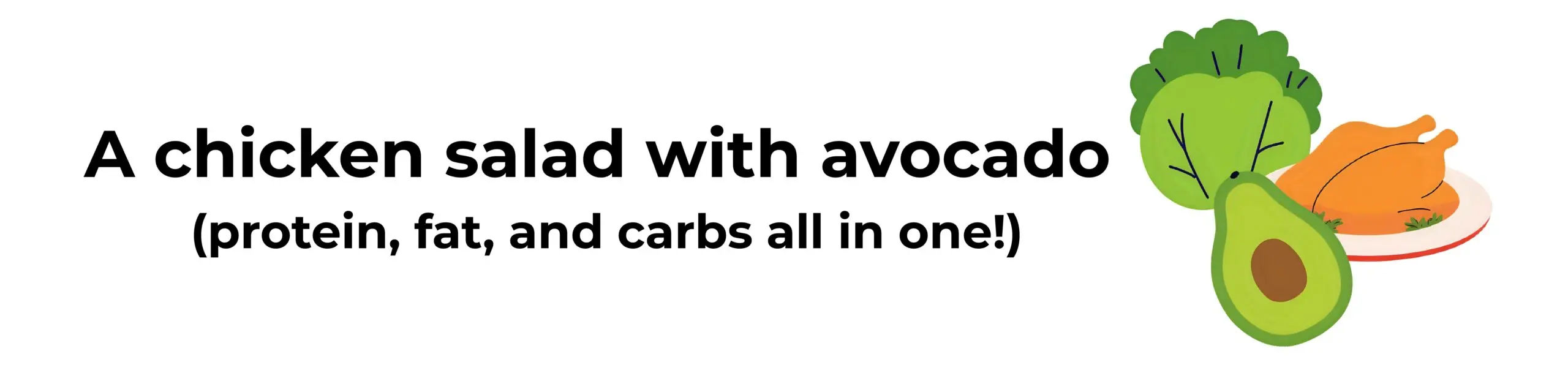
To create a satisfying whole-food meal, include:
- A protein
- A healthy fat
- A carbohydrate
Example meal:
5. Go to Carma Weight Loss
Managing your health and knowing what’s right for you can feel overwhelming. At Carma Weight Loss, our team of experts is here to help you become the healthiest and happiest version of yourself.